Moving Soon? 10 Packing Tips to Make Moving Day Easier
Moving has a way of turning small decisions into a long list. What should you pack first? Which boxes need to stay accessible? What should go directly to the new home, and what can wait? Sorting out those questions early makes the days before a move much easier to manage.
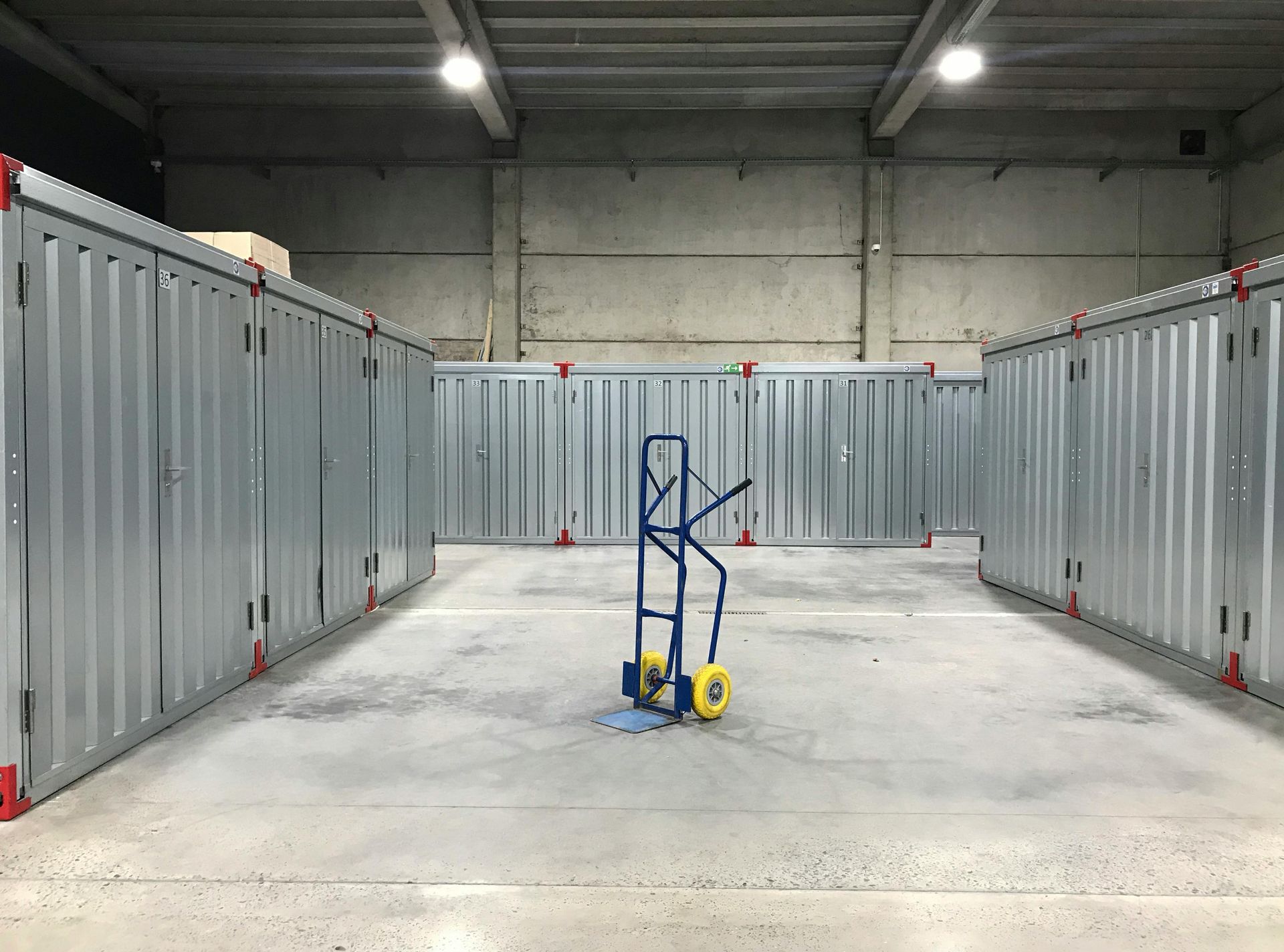
For people moving within Agawam or between communities in the Springfield area, temporary space can also solve a practical timing problem. If you need somewhere to keep furniture and boxes between homes, our storage options in Agawam include drive-up units and 24-hour gate access. At our property on Silver Street, we also have a fully fenced site, security cameras, and a monitored gate. The best moving plan doesn't need to be complicated. It starts early, separates what you actually need from what you don't, and makes sure every box has a clear destination. These ten tips cover the parts of that process that are worth getting right.
1. Start With What You Don't Want to Move
Packing is much easier after you've decided what deserves space in the truck. Before buying boxes, work through your belongings one room at a time. Set aside items that will be donated, sold, recycled, or discarded instead of packing them automatically. Pay particular attention to closets, basements, garages, cabinets, and other places where things tend to accumulate unnoticed.
This is also a good time to identify belongings you want to keep but don't need immediately after the move. Seasonal decorations, spare furniture, archived paperwork, and equipment can be separated from everyday belongings. If some of those items are going into a unit, our guide to getting more from your storage space covers box placement, labeling, walkways, and organizing items according to how frequently you'll need them. Doing this sorting before packing keeps you from paying to move things you'll get rid of a week later.
2. Make an Inventory Before Choosing Boxes or Storage Space
Once you've narrowed down what is moving with you, make a basic inventory. It doesn't need to record every book or kitchen utensil. Instead, count your major furniture pieces, appliances, boxes, and unusually shaped belongings. An inventory is especially useful if part of the move involves temporary storage. It gives you something concrete to work from when deciding how much room you need instead of choosing a unit based on a rough guess.
At our Agawam facility, we have several unit sizes for different storage needs. Our published size guide starts with 5x5 units at 25 square feet and progresses through larger options. A 5x10 provides 50 square feet, while a 10x10 gives you 100 square feet. Our 10x20 units provide 200 square feet and are intended for larger household storage needs. Your actual space requirement depends on the size, shape, and quantity of what you're storing, so an itemized list is a better starting point than a room count alone.
3. Pack the Things You Use Least First
Packing too much too soon leaves you reopening boxes for clothes, cookware, chargers, or paperwork you still need. Waiting until the last few days creates the opposite problem. Start with belongings that won't affect your normal routine. Books you've finished, decorations, framed art, extra linens, seldom-used kitchenware, and out-of-season items are reasonable early candidates. Everyday clothing, toiletries, medications, basic cookware, chargers, and work supplies should stay out longer. As moving day approaches, the amount left unpacked should gradually shrink. That makes the final few days less frantic without turning your current home into a maze of boxes weeks ahead of schedule.
4. Match the Box to What Goes Inside
A large box isn't automatically better. Once it's filled with books, dishes, or other dense belongings, it may become difficult to carry safely. Use smaller boxes for heavier items and save larger cartons for lighter, bulkier belongings. Bedding, pillows, lampshades, and similar items need room but don't create the same lifting problem. Check the condition of any reused boxes before packing them. A carton with a soft bottom, torn corner, or crushed side shouldn't be trusted with something fragile or heavy. Sturdy boxes also stack more predictably if some of your belongings will spend time in a storage unit before reaching the new house. Don't leave space around breakable items. Use appropriate packing material so the contents aren't shifting every time a box is picked up or set down.
5. Label for Unpacking, Not Just Packing
Writing "kitchen" on a box tells you where it goes. It doesn't tell you whether the box contains dinner plates you need immediately or serving dishes you won't touch for months. Use labels that answer both questions. "Kitchen: everyday dishes" is more useful than "kitchen," and "primary bedroom: winter clothes" is better than "clothes." Mark more than one side so you don't have to rotate a stack to find the label. Numbering boxes can also make your inventory easier to manage. If boxes 12 through 18 belong in the kitchen, for example, you'll know quickly if one is missing or ended up in the wrong room. For anything going into temporary storage, label with retrieval in mind. You don't want to unload a stack of ten boxes because the one marked "miscellaneous" contains something you suddenly need.
6. Take Apart Large Furniture Before Moving Day
Some furniture is much easier to move once it's partially disassembled. Bed frames, tables with removable legs, modular shelving, and similar pieces take up less awkward space and are easier to maneuver through doorways. Keep screws, bolts, brackets, and other small hardware together in clearly labeled bags. Attach the bag securely to the corresponding furniture piece when practical, or place all hardware in one designated container with labels identifying each set. Take a quick photo before dismantling anything with a less obvious assembly. That reference may save time when you're rebuilding it in the new home. Protect finished surfaces with furniture pads or moving blankets. Most scratches happen during handling, when pieces are being carried through doorways or placed next to other furniture in a truck.
7. Pack an Essentials Box That Doesn't Go on the Truck
The first night in a new home isn't the time to discover your phone charger is somewhere beneath twenty other boxes. Pack one bag or clearly marked container with what you'll need immediately. Include a change of clothes, toiletries, basic cleaning supplies, chargers, important paperwork, medication, a few basic tools, and anything else you can't comfortably wait until the next day to find. Keep keys, wallets, identification, financial documents, and other important records with you rather than loading them into the moving truck or putting them in storage. This box should travel separately from the main load so there's no chance it gets buried at the back of the truck.
8. Plan the Loading Order Before the Truck Arrives
The order in which belongings leave your home affects how easily they can be unloaded. Identify the largest furniture and appliances in advance, then decide what needs to come off first at the destination. Keep fragile belongings away from places where heavier boxes could shift onto them. Boxes containing items you'll need immediately shouldn't disappear behind furniture that won't be moved again until the entire truck is empty.
If part of the load is stopping at a storage facility and the rest is going to the new house, separate those groups before loading. Color-coded labels or a clearly marked destination on each box can prevent an unnecessary unloading and reloading job. At our Agawam facility, we have drive-up access on a flat lot. That means you can bring your vehicle directly to your unit rather than carrying furniture and boxes through interior hallways or up stairs. If you're planning to use temporary space during a move, account for that stop when deciding what goes into the truck first.
9. Handle Vehicles Separately From Household Belongings
A move sometimes involves an extra vehicle that can't immediately go to the new property. Treat that as a separate part of the plan rather than trying to solve it on moving day. We offer outdoor parking for cars, boats, and RVs on our paved, fully fenced lot. If a car will sit for an extended period rather than simply waiting a few days between addresses, it also needs preparation before storage. Our guide to preparing a car for long-term storage covers cleaning, tire pressure, fluids, battery care, and other vehicle-specific considerations.
There's an administrative detail for Massachusetts residents too. State law requires you to report a residential or mailing address change to the Registry of Motor Vehicles within 30 days. The Massachusetts RMV explains how to change your address, including the available online, phone, and in-person options. That task is easy to forget once the boxes are unpacked, so add it to your moving checklist rather than relying on memory.
10. Give Every Box a Destination Before Moving Day
Unloading slows down when every box requires a new decision. Before the move, decide which room each box belongs in and label it accordingly. If you're using temporary storage, create a separate category for those items instead of deciding at the truck whether something goes to the new home or the unit. At the new property, put boxes directly into their intended rooms whenever possible. There's little benefit in creating one enormous pile in the garage or living room only to move everything a second time. Apply the same principle inside your unit. Items you expect to retrieve soon should remain accessible, while belongings intended to stay put can go farther back. Leave a usable path rather than filling the floor from wall to wall. In our storage organization guide, we cover ways to arrange boxes and belongings so frequently used items remain easier to reach.
Make the Space Between Homes Easier to Manage
A well-planned move doesn't require a complicated system. Sort before you pack, use boxes that suit their contents, label for the destination, and decide where everything is going before loading begins. Those decisions remove a surprising amount of work from moving day. Temporary storage is useful when moving dates don't line up neatly, you're downsizing, or you don't want every possession arriving at the new house at once. At our Agawam facility, we have drive-up units, 24-hour gate access, month-to-month rentals, and online rentals. Customers who prefer to handle their rental in person can also visit our office. If temporary space would make your moving schedule easier to organize, you can explore
storage options from Agawam Self Storage and review what's available before deciding what should move directly into your new home and what can wait.