Parked for the Season? Here's How Proper Storage Can Help Prevent Tire Dry Rot
Every vehicle owner expects tires to wear down over time. After all, every mile driven slowly reduces tread and eventually leads to replacement. However, many people are surprised to discover that tires can become damaged even when a vehicle never leaves the driveway. In fact, one of the most common causes of premature tire replacement has nothing to do with driving at all. Instead, it happens while a vehicle sits unused for weeks or months. This type of deterioration is known as dry rot, and it can significantly shorten the life of otherwise healthy tires. Fortunately, preventing tire dry rot often comes down to proper preparation and thoughtful storage. While rubber naturally ages over time, the conditions in which a vehicle is stored play a major role in determining how quickly that aging process occurs. By reducing exposure to sunlight, contaminants, and prolonged stress, you can help preserve your tires and avoid replacing them sooner than necessary.
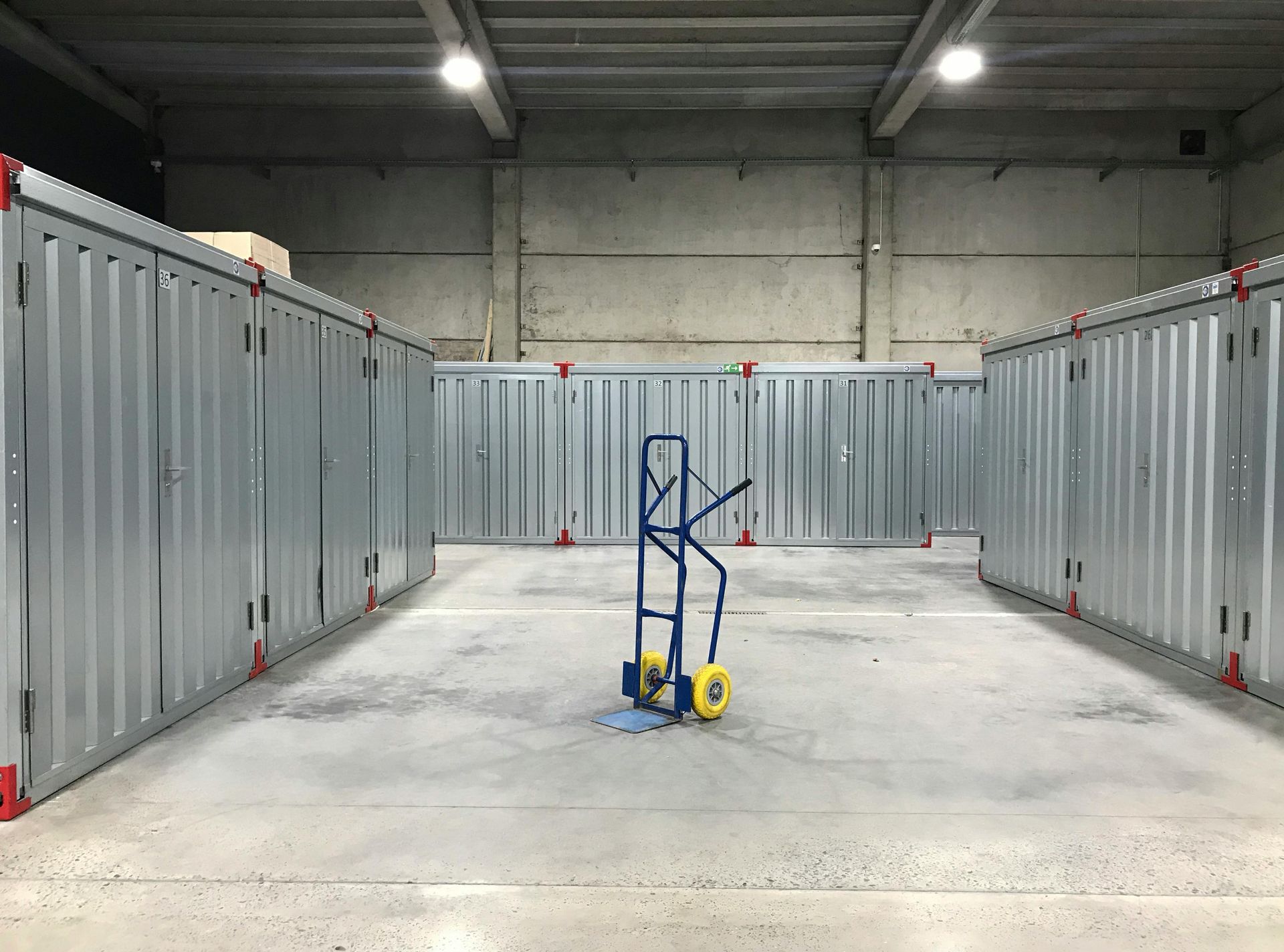
If you're planning to store a classic car, seasonal vehicle, trailer, camper, or even your everyday vehicle for an extended period, choosing reliable storage options in Agawam, MA, provides a secure place to protect your investment while following simple maintenance practices that can make a noticeable difference. When combined with routine inspections and a few preventative measures, proper storage helps ensure your vehicle is ready to hit the road whenever you are. Before organizing your vehicle and its accessories, it can also be helpful to review these storage tips to get the most from your storage unit. Keeping your storage space organized makes seasonal maintenance easier and allows you to access important supplies whenever they're needed.
Key Points for Readers Short on Time
- Tire dry rot occurs as rubber ages, but proper storage can significantly slow the deterioration process.
- Cleaning tires, maintaining correct air pressure, and reducing prolonged weight on the tires all help extend their lifespan.
- Sunlight, ozone, and long periods without movement are among the biggest contributors to rubber cracking.
- Regular inspections during storage allow you to identify small issues before they become expensive safety concerns.
- A well-maintained storage environment protects not only your tires but also your entire vehicle.
Why Tire Dry Rot Happens Even When You Aren't Driving
Many drivers assume that simply parking their vehicle means nothing is happening to it. Unfortunately, tires continue to age every single day, regardless of whether the vehicle is being driven. Unlike tread wear, which comes from friction with the road, dry rot is caused by gradual changes within the rubber itself. As time passes, the compounds that keep the tire flexible slowly begin to break down. Eventually, the rubber loses elasticity and small cracks begin forming across the surface. This process happens naturally over many years, but environmental conditions can dramatically accelerate it. Constant exposure to ultraviolet light, oxygen, ozone, road contaminants, and prolonged pressure all contribute to faster deterioration. Even vehicles that spend most of their time parked in the same position can develop significant tire damage if these factors are left unchecked.
One reason dry rot is particularly concerning is that it often develops quietly. A tire may still have plenty of tread depth and appear perfectly usable from a distance, yet small sidewall cracks may already be compromising its structural integrity. As those cracks continue to grow, the tire becomes more vulnerable to air loss, blowouts, and failure during normal driving. According to the National Highway Traffic Safety Administration (NHTSA), drivers should routinely inspect tires for visible signs of cracking, bulging, or other age-related damage because deterioration can occur long before the tread has worn out. Understanding why dry rot develops is the first step toward preventing it. Fortunately, many of the contributing factors are well within your control.
Understanding the Science Behind Tire Aging
Modern tires are remarkably durable products made from carefully engineered blends of natural rubber, synthetic rubber, carbon black, steel belts, and various chemical additives designed to improve flexibility and strength. Although these materials are built to withstand years of driving, they cannot completely stop the aging process. Over time, oxygen gradually reacts with the rubber compounds through a process known as oxidation. As this happens, the rubber slowly hardens and loses much of the flexibility that allows it to absorb bumps and maintain traction on the road. At the same time, ozone in the atmosphere attacks the surface of the rubber, creating microscopic cracks that slowly become larger and more noticeable.
Ultraviolet rays from the sun add another layer of stress. Prolonged UV exposure weakens the outer layers of rubber and speeds up the chemical reactions that cause cracking. While manufacturers include protective compounds that migrate to the tire's surface during normal driving, these protective oils are less effective when a vehicle sits motionless for extended periods. Without regular movement, the tire loses one of its natural defenses against environmental aging. Although no tire lasts forever, understanding these natural processes explains why proper storage conditions can dramatically slow deterioration and help preserve tire performance for much longer.
Why Proper Storage Makes Such a Big Difference
When people think about vehicle storage, they often focus on protecting the paint or preventing theft. While those benefits certainly matter, the storage environment also has a significant impact on components that are far less visible, including your tires. Every day a vehicle remains outdoors, its tires face constant exposure to sunlight, airborne pollutants, moisture, road residue, and temperature fluctuations. Even if the vehicle never moves, these environmental conditions continue working against the rubber. Over time, they accelerate aging and increase the likelihood that dry rot will develop. Storing a vehicle indoors creates a much more controlled environment where many of these damaging factors are greatly reduced. Limiting ultraviolet exposure alone can significantly slow the breakdown of rubber compounds. Likewise, protecting tires from dirt, oils, and airborne contaminants helps preserve the surface of the rubber over long periods.
Another often overlooked advantage is consistency. Vehicles stored indoors typically experience fewer dramatic environmental changes than those parked outside year-round. While no storage environment eliminates tire aging, reducing unnecessary stress gives your tires a much better chance of remaining flexible and dependable. Of course, proper storage extends well beyond the tires themselves. It also helps protect your vehicle's paint, weather stripping, interior materials, windshield wipers, battery, and numerous other components that naturally deteriorate when left exposed for months at a time.
Clean Your Tires Before Putting the Vehicle Away
One of the easiest and most effective ways to prepare your tires for storage is also one of the most overlooked. Before parking your vehicle for an extended period, take the time to thoroughly clean each tire. Throughout everyday driving, tires collect road salt, brake dust, grease, oil residue, small rocks, and countless other contaminants. If these materials remain on the rubber during months of storage, they continue sitting directly against the tire's surface, potentially contributing to faster deterioration over time.
Using mild soap, water, and a soft brush is usually all that's needed to remove accumulated grime. Once the tires have been cleaned, rinse them thoroughly and allow them to dry completely before moving the vehicle into storage. Moisture trapped beneath covers or between stacked tires can create unnecessary problems, so ensuring everything is dry before storage is an important final step. While cleaning, this is also an excellent opportunity to inspect each tire carefully. Look for embedded nails, cuts, bulges, uneven tread wear, or early signs of cracking along the sidewalls. Identifying these issues before storage allows you to schedule repairs or replacements instead of discovering them months later when you're ready to drive again. It is also worth avoiding petroleum-based tire shine products before long-term storage. Although they may create a glossy appearance, many are designed for short-term cosmetic use rather than extended storage and may not provide the long-term protection many people assume.
Maintain the Correct Tire Pressure Before Storage
Once your tires are clean, the next step is ensuring they are properly inflated. Tire pressure naturally decreases over time, even when a vehicle isn't being driven. Starting with the correct inflation level helps reduce unnecessary stress on the tire structure throughout the storage period. Underinflated tires flatten more where they contact the ground, placing additional strain on the sidewalls and increasing the risk of developing permanent flat spots. On the other hand, excessive inflation can also place uneven stress on the tire. For that reason, it's always best to follow the pressure recommendations listed by the vehicle manufacturer rather than relying solely on the maximum pressure molded into the tire itself.
Using an accurate tire pressure gauge before placing the vehicle into storage takes only a few minutes but can make a meaningful difference over several months. If the storage period will extend through an entire season or longer, checking the tire pressure every month or two allows you to compensate for the small amount of air that naturally escapes over time. These simple maintenance habits require very little effort, yet they help preserve both tire shape and structural integrity while your vehicle remains parked.
Reduce Constant Pressure on the Tires
Even when properly inflated, tires are not designed to support the same weight distribution indefinitely. As weeks become months, the continuous pressure of the vehicle resting on one section of each tire can contribute to flat spotting and increase stress on the rubber. For shorter storage periods, simply moving the vehicle a few feet every few weeks may be enough to change the contact points and distribute the weight more evenly. This small adjustment also encourages the protective oils inside the rubber to continue migrating through the tire, which helps maintain flexibility.
For longer storage periods involving collector vehicles, sports cars, or seasonal recreational vehicles, some owners choose to place the vehicle on appropriately rated jack stands after consulting the owner's manual and following proper lifting procedures. Removing much of the vehicle's weight from the tires can reduce prolonged stress and help preserve their shape over time. Although every storage situation is different, minimizing continuous pressure is another valuable step toward extending tire life and preventing unnecessary deterioration.
Keep Tires Out of Direct Sunlight Whenever Possible
Sunlight may seem harmless, but over time, it becomes one of the biggest contributors to tire aging. Ultraviolet rays gradually break down the outer layers of rubber, causing the material to lose flexibility and become increasingly brittle. As the rubber hardens, it becomes much more susceptible to cracking, especially along the sidewalls where dry rot typically appears first.
Fortunately, this is one of the easiest factors to control. Storing your vehicle indoors greatly limits UV exposure, allowing the tires to age much more slowly than they would if parked outside for months at a time. Even if your storage space has windows, parking away from direct sunlight or using quality tire covers can provide another layer of protection. The goal is not to eliminate all light, but rather to reduce prolonged exposure that accelerates rubber deterioration. If you're storing a separate set of seasonal tires instead of an entire vehicle, place them in opaque storage bags or tire totes before storing them. This simple step keeps sunlight and dust away while helping preserve the condition of the rubber until you're ready to reinstall them.
Be Mindful of Ozone Exposure
Many people have heard that sunlight damages tires, but far fewer realize that ozone can be just as harmful. Ozone is a naturally occurring gas that reacts with rubber compounds over time, slowly creating tiny surface cracks that eventually become larger and more visible. Although ozone exists naturally in the atmosphere, certain electrical equipment produces higher concentrations indoors. Air compressors, electric motors, welders, furnaces, generators, and similar equipment can all release small amounts of ozone while operating. If loose tires are stored in a garage or workshop alongside these machines, they may age faster than expected.
Whenever possible, keep stored tires away from equipment that frequently runs electric motors. If you're storing an entire vehicle in a dedicated storage facility, this is generally much less of a concern because the vehicle is separated from the types of equipment commonly found in workshops. Even so, understanding this often overlooked cause of rubber deterioration can help you make smarter storage decisions.
Drive or Move the Vehicle Occasionally
While long-term storage sometimes means a vehicle won't move for several months, allowing it to sit in the same position the entire time isn't ideal. Tires benefit from occasional movement because it changes the portion of the tread carrying the vehicle's weight while allowing the internal rubber compounds to flex naturally. If practical, start the vehicle and drive it long enough to bring it up to normal operating temperature every few weeks. This doesn't simply benefit the tires. It also circulates fluids, lubricates engine components, and helps keep seals from drying out. If driving isn't possible, even rolling the vehicle forward and backward several feet inside the storage area can help redistribute pressure on the tires. While this doesn't replace regular driving, it is still preferable to allowing the tires to remain under identical stress for months at a time. These small maintenance visits also provide an excellent opportunity to inspect the vehicle, recharge the battery if necessary, and verify that everything remains in good condition.
Inspect Your Tires Throughout the Storage Period
One of the biggest mistakes vehicle owners make is assuming that once the vehicle has been stored, nothing else needs to be done until it's time to drive again. In reality, periodic inspections are one of the easiest ways to catch developing problems before they become expensive or unsafe. Every month or two, take a few minutes to examine each tire closely. Small cracks that may have been invisible during the initial inspection can gradually become more noticeable over time. Identifying these early warning signs allows you to plan for maintenance instead of discovering an issue immediately before a road trip or seasonal outing.
During each inspection, pay close attention to:
- Sidewall cracking or checking
- Bulges or deformities
- Uneven loss of tire pressure
- Flat spots where the vehicle rests
- Objects embedded in the tread
- Damage caused by rodents or pests
Although none of these problems necessarily mean the tire must be replaced immediately, they all deserve attention before returning the vehicle to regular use. A few minutes spent inspecting your tires can prevent much larger problems later.
Don't Forget the Rest of Your Vehicle
Protecting your tires is only one part of successful long-term vehicle storage. Every major system on the vehicle benefits from a little preparation before it sits unused for an extended period. Changing the engine oil if it's due, topping off fluids, disconnecting or maintaining the battery, adding fuel stabilizer when appropriate, washing and waxing the exterior, and covering the vehicle all contribute to preserving its overall condition. These preventative steps reduce wear caused by inactivity and help ensure the vehicle is ready when it's time to return to the road. If you're planning to store your vehicle for several months, this guide on how to store your car long term in a storage unit offers additional recommendations that complement proper tire care. Looking at vehicle storage as a complete maintenance routine rather than a single task helps protect every major component, from the engine and battery to the tires that support it all.
How Proper Storage Supports Your Adventures Around Agawam
For many residents of Agawam, storing a vehicle isn't about putting it away forever. It's about protecting it until the next season, weekend getaway, or family outing arrives. Whether you own a classic car that only comes out during the summer, an RV used for vacations, or a sports car reserved for special occasions, taking care of your tires today helps ensure those future trips begin safely. Agawam is ideally situated for exploring many attractions throughout western Massachusetts. Robinson State Park offers miles of scenic trails for hiking, cycling, birdwatching, and peaceful walks along the Westfield River. Likewise, Six Flags New England remains one of the area's most popular destinations for families looking to enjoy roller coasters, entertainment, and seasonal events. Having a dependable vehicle means you can spend less time worrying about maintenance issues and more time enjoying everything the region has to offer. Those looking for additional ideas can also explore local attractions through the Greater Springfield Convention & Visitors Bureau, which highlights parks, museums, cultural events, restaurants, and recreational opportunities throughout the Pioneer Valley. Maintaining your vehicle during storage means you'll be better prepared whenever your next adventure calls.
How Long Can Tires Sit Before Dry Rot Becomes a Concern?
There isn't a single timeline that applies to every tire because aging depends on several variables, including storage conditions, tire quality, previous use, and environmental exposure. A vehicle stored outdoors in direct sunlight may begin showing signs of deterioration much sooner than one kept indoors in a clean, protected environment. Industry experts generally recommend paying closer attention to tire condition once tires reach six years of age, regardless of tread depth. Even if a tire appears to have plenty of usable tread remaining, the rubber itself may be aging internally. This is why visual inspections are so important throughout a tire's lifespan. According to Michelin, proper storage plays an important role in slowing the natural aging process. Their storage recommendations include keeping tires in cool, clean, dry environments away from direct sunlight, heat sources, petroleum products, and ozone-generating equipment. Following guidance from trusted manufacturers alongside regular inspections provides an extra layer of confidence that your tires remain safe for future use.
Small Maintenance Habits Can Save Hundreds of Dollars
Replacing a complete set of tires represents a significant expense for any vehicle owner. Fortunately, many cases of premature tire deterioration can be delayed through consistent maintenance and thoughtful storage practices. While no tire lasts forever, slowing the aging process helps you get the maximum value from every set you purchase. Simple habits like cleaning your tires before storage, maintaining the proper air pressure, limiting exposure to sunlight and ozone, reducing prolonged stress, and inspecting the tires regularly all work together to preserve the rubber. None of these tasks is particularly difficult on its own, yet together they create a maintenance routine that can pay off for years. Just as importantly, protecting your tires also contributes to safer driving. Healthy tires provide better traction, improved handling, shorter stopping distances, and greater confidence every time you get behind the wheel.
Protect Your Tires by Protecting Where Your Vehicle Is Stored
Tire dry rot may seem like an unavoidable part of owning a vehicle, but the rate at which it develops depends largely on how that vehicle is cared for during periods of inactivity. While aging is inevitable, unnecessary exposure to sunlight, contaminants, ozone, and prolonged stress doesn't have to be. Choosing
dependable storage options in Agawam, MA, gives your vehicle a secure environment while supporting the maintenance habits that help extend tire life. Combined with regular inspections and proper preparation, thoughtful storage helps preserve your tires, protect your vehicle's overall condition, and ensure it's ready for the next drive, whether that's a weekend cruise, a family road trip, or another season of exploring everything western Massachusetts has to offer.