Keep Mice Off the Passenger List: How to Protect Your Boat During Winter Storage
Putting a boat away for winter involves more than protecting the engine, plumbing, and hull. You also need to think about what could get inside while the boat sits unused. Mice look for food, water, and sheltered places to nest, and a stored boat can provide plenty of hiding spots if it isn't prepared carefully.
The best defense starts before the boat is parked for the season. Cleaning the interior, removing potential food sources, checking possible entry points, and inspecting the boat periodically all reduce the conditions that attract rodents in the first place. For local owners who need somewhere to keep a boat off the driveway during the offseason, our storage options in Agawam include outdoor parking for boats on trailers. At our property at 727 Silver Street, customers also have 24-hour gate access.
Start With a Thorough Cleaning
A few crumbs tucked beneath a seat might not seem important when you're winterizing a whole boat, but food is one of the main things you don't want to leave behind. Remove snacks, pet food, fishing bait, and other edible products from the boat rather than leaving them in cabinets until spring. Check compartments, cup holders, storage lockers, coolers, and areas beneath seating for crumbs or spills. The U.S. Environmental Protection Agency recommends eliminating food and water sources as part of rodent prevention, along with removing materials that provide shelter.
Soft materials deserve attention too. Loose paper, fabric, and similar materials can become nesting material. The EPA specifically lists shredded paper and fabric among signs associated with rodent nesting. Take unnecessary paper products and loose materials off the boat before storage instead of giving mice something useful to work with. Cleaning also fits into the broader winterization process. Massachusetts guidance on preventing the spread of aquatic invasive species recommends cleaning, draining, and drying watercraft after use, including removing visible plants, mud, and debris and draining standing water. A clean, dry boat is a better starting point for several months of storage.
Look for Small Openings Before Storage
Don't assume an opening is too small for a mouse. The Centers for Disease Control and Prevention notes that mice can fit through a hole about 1/4 inch, or 6 millimeters, wide. That makes a careful inspection more useful than simply checking whether doors, hatches, and obvious openings are closed. Look over the areas where wiring, hoses, cables, vents, and other components pass through the boat. Check compartments and enclosed spaces for gaps that could provide access to a protected interior area. Your boat's construction and ventilation requirements will determine what can safely be closed, so don't seal a vent or opening simply because it looks accessible to a mouse.
For an opening that isn't supposed to be there, use an appropriate repair rather than relying on a temporary material that a rodent can easily damage. The CDC's general rodent-prevention guidance recommends steel wool secured with caulk for small holes and materials such as hardware cloth or metal sheeting for larger openings. On a boat, any modification still needs to be compatible with the vessel and the component involved. Consult the owner's manual or a qualified marine professional when you're unsure.
Pay Attention to the Engine and Wiring
Rodent damage isn't limited to upholstery or a messy nest. A mouse that reaches wiring or other components can leave you with a problem that isn't obvious until you're preparing the boat for another season. Inspect accessible wiring before storage, so you know its condition going in. Look for damaged insulation, gnaw marks, droppings, or nesting material during later checks. If you find evidence of activity, address the source instead of simply cleaning the visible mess and putting the cover back on.
This is also a good reason not to treat winterization and rodent prevention as separate jobs. Massachusetts boat winterization guidance recommends properly preparing engine cooling and water systems for freezing conditions and following the engine manufacturer's recommendations for the fuel system. While you're working through those areas, you have an opportunity to inspect the spaces that will become difficult to see once the boat is fully covered.
Be Careful With Covers and Ventilation
A boat cover protects the vessel from exposure and debris, but it doesn't replace rodent-proofing. A mouse that finds an opening beneath the cover can still reach sheltered parts of the boat. Make sure the cover fits as intended and inspect it for damage before winter storage. At the same time, don't block ventilation that the boat or cover manufacturer requires. Trapping moisture inside the vessel creates a different set of storage problems. The goal is to protect the boat without improvising modifications that interfere with proper winter storage. Follow the manufacturer's instructions for your particular boat and cover, especially around ventilation and engine compartments.
Don't Rely on Repellents Alone
Rodent repellents are easy to use as the main solution because they require less preparation than cleaning and inspecting the boat. But prevention should begin with the conditions you can control. The CDC and EPA emphasize removing food, water, and potential shelter and closing entry points as fundamental rodent-prevention measures. Those steps address why a mouse might enter and remain in a space. If you're considering a commercial repellent, read its label and confirm that it's appropriate for the location and materials involved. Don't use a product in a way the manufacturer doesn't recommend.
If You Use Traps, Use Them Carefully
Finding droppings, gnaw marks, or nesting material means the problem has moved beyond prevention. The CDC's rodent trapping guidance recommends traps when there is evidence of rodents and advises placing them where rodent activity has been observed or where rodents are likely to travel. Traps and baits should always be kept away from children and pets and used according to their instructions.
A stored boat adds another consideration: you shouldn't place a trap and then forget about it for the entire winter. The CDC recommends checking traps daily and disposing of captured rodents promptly. If you can't inspect traps at that frequency, consider professional pest-control advice rather than leaving a trap unattended for months. Persistent signs of activity also deserve more attention. New droppings or gnaw marks indicate that rodents still have access, so finding and addressing the entry point matters as much as removing an individual mouse.
Check the Boat During the Winter
Winter storage shouldn't necessarily mean parking the boat and ignoring it until launch season. If you have access to the boat, periodic visual inspections give you a chance to catch rodent activity before significant damage develops. Look for droppings, nesting material, gnaw marks, disturbed belongings, or damage around accessible wiring and compartments. The EPA identifies droppings, nesting material, chewed items, and stale odors from hidden areas as common indications of rodent activity.
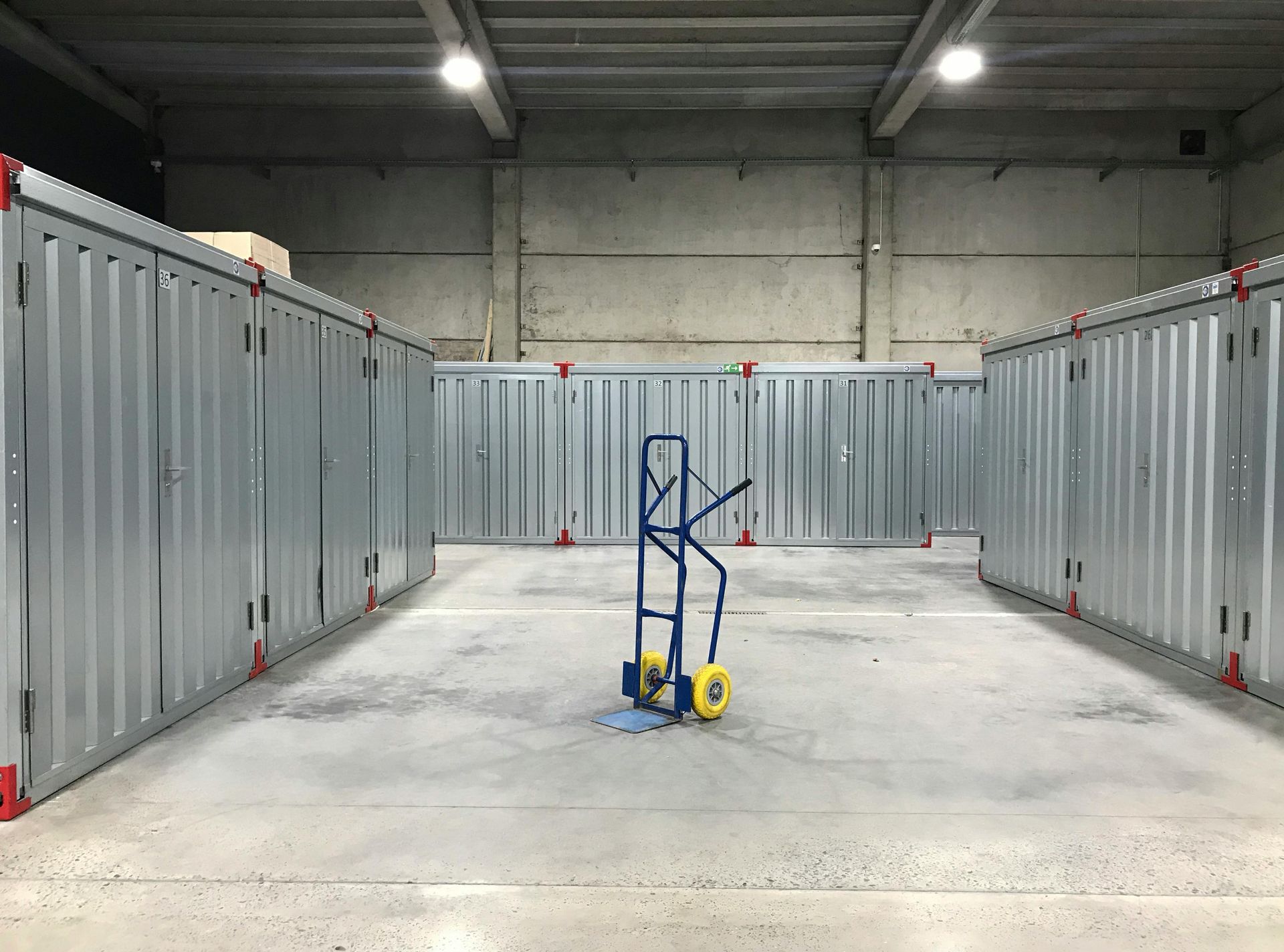
At our Agawam facility, customers have 24-hour gate access, so you can visit your stored boat when needed. We also have a fully fenced property with security-camera coverage and outdoor parking for boats on trailers, subject to availability. While you're checking the boat, take a look at the trailer too. Tires continue to age while a trailer sits unused, so we've put together a separate guide on preventing tire dry rot during storage that covers another part of seasonal storage that's easy to overlook.
If You Find Evidence of Mice
Don't sweep or vacuum rodent droppings immediately. The CDC provides specific procedures for cleaning areas contaminated by rodents. Its guidance calls for wetting droppings and nesting material thoroughly with disinfectant, allowing the product to sit for the recommended time, and then removing the material with a paper towel. Hands should be washed after gloves are removed. For a boat, inspect the surrounding area after cleanup as well. Finding a nest solves only part of the problem if the entry point remains open. Check accessible wiring and other nearby components for damage, and have questionable electrical or mechanical damage evaluated before using the boat again. If rodent activity continues despite preventive measures, a pest-control professional can help identify an infestation or entry point that's difficult to reach.
Prepare the Rest of the Boat for Winter Too
Keeping mice out matters, but it shouldn't distract from the rest of the winterization process. The Massachusetts Office of Coastal Zone Management recommends properly preparing boats for winter storage, including attention to the bilge, fuel system, engine cooling system, and drinking-water systems where applicable. The state's guidance also stresses following engine-manufacturer recommendations for fuel preparation.
Work through your boat manufacturer's winterization instructions before long-term storage rather than relying on a generic checklist. Different engines, plumbing systems, batteries, and onboard equipment require different procedures. The same principle applies to other belongings you're putting away for an extended period. If you're clearing space at home at the same time, we've also covered how to prepare a washing machine for storage, including the cleaning, drying, draining, and transportation steps needed before storing an appliance.
Give Your Boat a Cleaner Start Next Spring
Rodent prevention is mostly preparation. Remove what attracts mice, clean and dry the boat, inspect small openings, protect appropriate entry points, and check the vessel during its time off the water. If you find signs of activity, deal with the entry point and contamination rather than waiting until spring. For boat owners who need off-season parking in Agawam, you can
explore storage options from Agawam Self Storage to review our property and current options. We offer outdoor parking for boats on trailers, giving local owners another place to keep their vessels during the months they're off the water. A properly winterized boat that's clean and periodically inspected should leave you with fewer problems to address when the next boating season arrives.