Off the Water, Out of the Way: Smart Kayak and Canoe Storage Tips
A kayak or canoe is easy to enjoy on the water, but finding a good place for it at home takes some planning. These boats are long, awkward to move, and surprisingly easy to damage when stored incorrectly. If you're wondering how to store a kayak in your garage without sacrificing valuable floor space, start with proper support and a storage position that suits your boat.
For paddlers around Agawam, Massachusetts, keeping recreational equipment organized also means having enough room for everything else in the garage. When home storage gets too crowded, our Agawam storage options offer another place for seasonal equipment. Before deciding where your boat belongs, it's worth understanding how different storage methods affect its condition.
Why Proper Kayak and Canoe Storage Matters
Kayaks and canoes are designed to handle water, but that doesn't mean they should sit in any position for months at a time. Prolonged pressure on the wrong part of a hull can change its shape, particularly with certain plastic boats. Sunlight, trapped moisture, and poorly fitted supports can also contribute to damage during storage. The hull is especially important because its shape affects how the boat moves through water. A kayak resting on narrow, unpadded supports may develop dents or flattened areas. The safest position depends on its construction, so check the manufacturer's storage instructions before choosing a rack or hanging system. Indoor storage offers protection from direct sunlight and reduces exposure to outdoor debris. A garage is a practical choice when there's enough space to support the boat properly, move around it, and retrieve it without repeatedly shifting other equipment.
How to Store a Kayak in Your Garage
The best garage arrangement depends on the kayak's length, weight, hull design, and how frequently you use it. Wall racks work well in some garages, while overhead systems or freestanding supports make more sense in others. Before installing anything, measure the boat and the space available around it.
Use a Wall-Mounted Kayak Rack
A wall-mounted rack keeps the kayak off the floor and leaves more room for vehicles and household equipment. Look for a system with padded arms or cradles that distribute the boat's weight across appropriate support points. The rack must also be rated for the kayak's weight and installed according to its mounting instructions. Choose a wall where the kayak won't interfere with doors, parked vehicles, or walking space. Mount the supports into suitable structural framing rather than relying on drywall alone. Follow your kayak manufacturer's guidance on hull orientation and support placement, since different designs require different arrangements.
Consider Overhead Storage
Ceiling-mounted systems are another option when wall space is limited. A properly rated hoist can keep a kayak above the main storage area, provided the ceiling structure can support the load and there's sufficient clearance below. Check the hoist's weight rating, attachment requirements, and lifting instructions before installation. Avoid suspending a kayak by its carrying handles unless the manufacturer specifically permits that method. These handles are intended primarily for moving the boat and may not be suitable for supporting its weight during extended storage.
Use a Freestanding Rack
A freestanding rack makes sense when you don't want to attach hardware to the walls or ceiling. It also provides flexibility if you need to rearrange the garage later. Choose a stable rack with padded supports that match your kayak's approved storage position. For households with multiple kayaks, a rack designed for several boats can keep them separated without stacking one hull directly on another. Make sure each boat has its own adequate support and that the rack remains stable when loading or removing equipment.
How to Store a Canoe Without Damaging Its Shape
Canoes require many of the same precautions as kayaks, but their construction and recommended storage positions may differ. Some traditional canoes are designed to rest upside down on supports beneath their gunwales, which are the reinforced upper edges of the hull. This arrangement keeps the canoe's weight off the bottom. Use padded, evenly positioned supports and follow the manufacturer's instructions for your particular canoe. Avoid resting the entire boat on one narrow contact point or leaving heavy objects inside it. If the canoe has wooden components, inspect them for moisture and follow the manufacturer's maintenance guidance before long-term storage. A canoe also needs enough clearance to be lifted safely from its rack. Measure its full length and width before selecting a location, particularly if the garage has shelving, overhead tracks, or other equipment that could interfere with removal.
Clean and Dry Your Boat Before Storage
Cleaning your kayak or canoe after a paddling trip is one of the simplest ways to protect it between uses. Dirt, sand, plant material, and standing water shouldn't remain inside the boat for weeks or months. Give the hull and interior a thorough rinse with fresh water, following the manufacturer's cleaning instructions. Pay attention to the cockpit, seating area, footrests, and storage compartments. Remove loose debris and allow the boat to dry completely before covering it or placing it in an enclosed space. Check hatch seals and removable components for dirt or damage while everything is accessible. For long-term storage, remove detachable accessories that don't need to remain on the boat. Paddles, removable seats, and other gear are easier to inspect and organize separately. Keep the equipment together in a designated area so it's ready when paddling season returns.
Protect Your Kayak From Sunlight and Moisture
Even when a kayak is stored indoors, its location matters. Avoid placing it directly beside a heat source or where sunlight passes through a window for extended periods. Prolonged exposure to heat and ultraviolet light can affect some hull materials and finishes. If outdoor storage is your only option, choose a sheltered location and use a cover suitable for the boat. The cover should protect against sunlight and debris without trapping water against the hull. A raised, properly supported boat is preferable to one left directly on damp ground.
Keep openings protected from pests while maintaining ventilation as directed by the manufacturer. For more information about preventing unwanted visitors in stored watercraft, our guide to keeping mice out of your boat during winter covers additional precautions that are useful when preparing recreational equipment for an extended break.
Should You Store a Kayak Vertically or Horizontally?
There isn't one correct position for every kayak. Some manufacturers approve side storage on padded supports, while others recommend an inverted position or suspension using wide straps. The construction of the hull and the location of its internal supports influence which arrangement is appropriate. Horizontal storage is a practical choice when the boat has sufficient support along its length. Avoid leaving the hull pressed against hard, narrow surfaces for an extended period. If using straps, they should distribute weight without squeezing the hull or placing pressure on vulnerable fittings.
Vertical storage requires more caution. Standing a kayak on one end can concentrate its weight on a small area, and certain manufacturers discourage this position for extended periods. If your kayak's instructions don't specifically approve vertical storage, choose a supported horizontal arrangement instead. For a useful example of manufacturer-specific guidance, see Riot Kayaks' storage instructions. Their recommendations explain how padded supports, hull position, and protection from prolonged sunlight exposure affect storage.
Organizing Paddles and Other Kayaking Equipment
Once the kayak is properly supported, the remaining equipment deserves its own space. Paddles should be cleaned and dried before storage, then placed where their blades won't be bent or struck by heavier objects. Wall-mounted paddle holders or suitable horizontal shelving keep them away from garage traffic. Personal flotation devices need to dry completely before being put away. Hang them in a ventilated location without compressing their flotation material. Inspect straps, buckles, and fabric before storing them, especially if they were exposed to dirt or prolonged moisture.
Smaller accessories can go into labeled containers, provided they're clean and dry. Keep repair supplies and removable fittings organized so they don't disappear among unrelated household items. Avoid placing heavy boxes on top of paddling equipment or using the kayak itself as a storage shelf.
When a Storage Unit Makes More Sense Than Your Garage
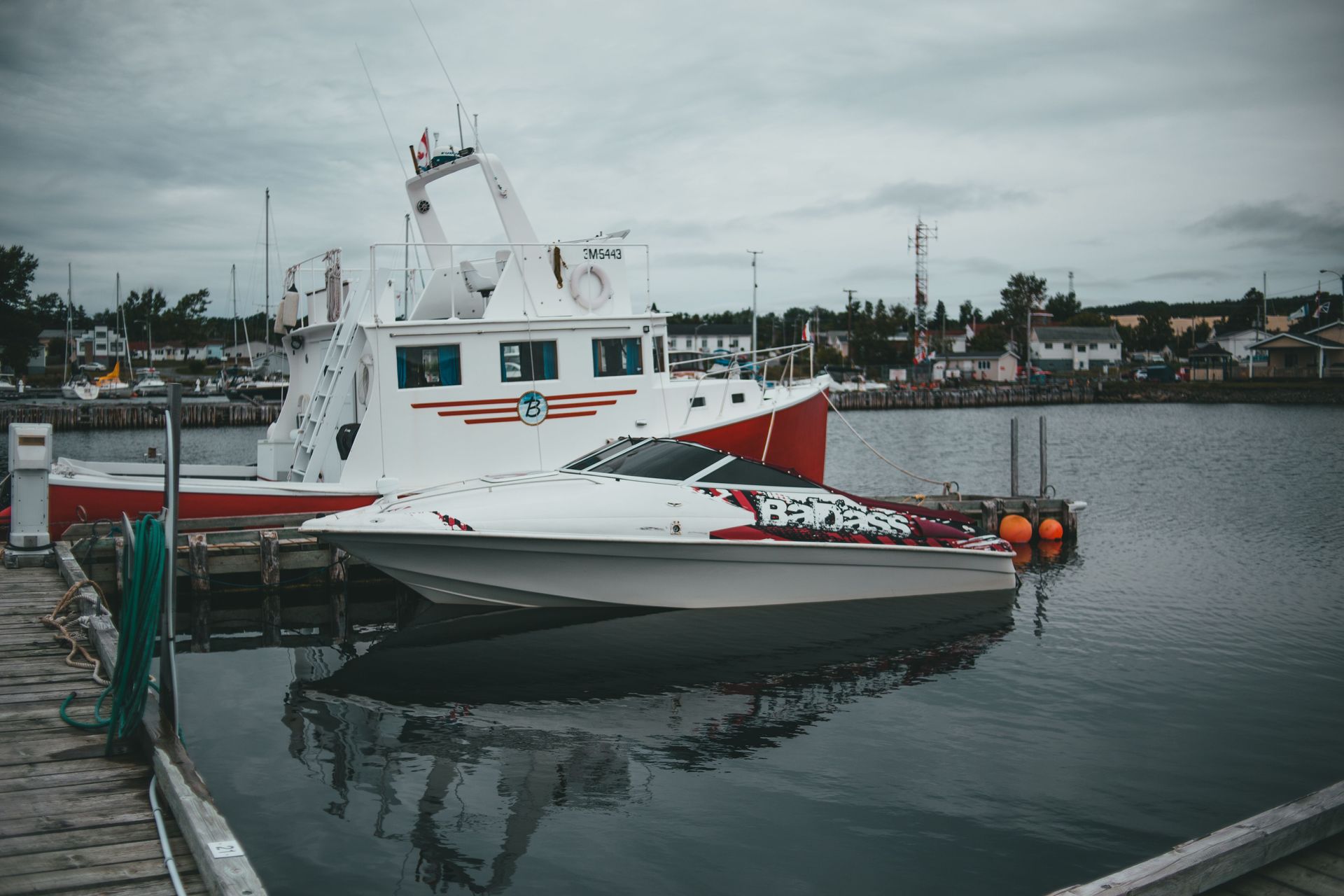
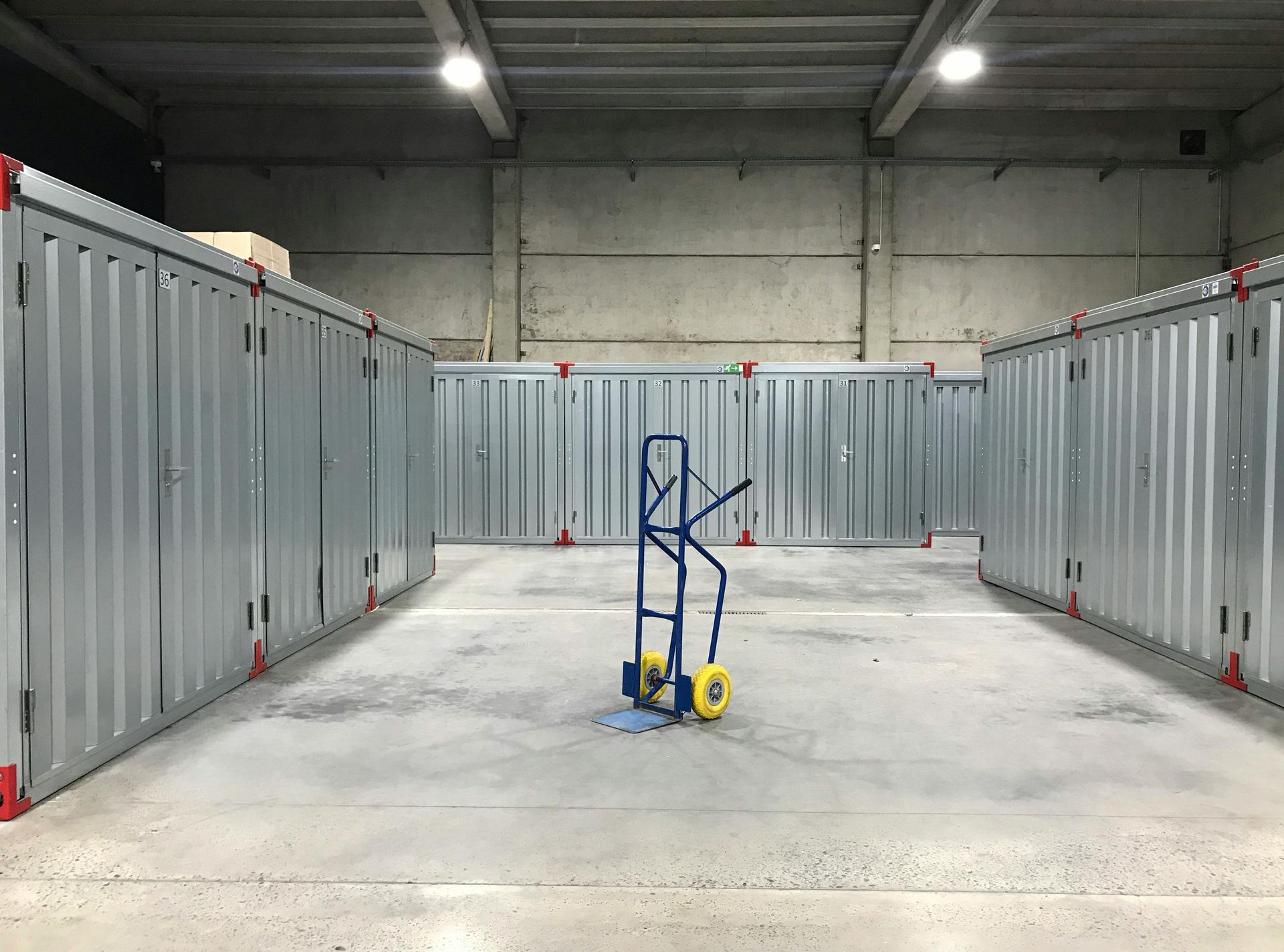
A garage rack works well when there's enough room to accommodate the boat without obstructing everyday activities. But if your kayak or canoe occupies space needed for a vehicle, tools, or other equipment, moving it off-site may be a more practical arrangement. At Agawam Self Storage, we offer drive-up storage units, so renters can bring equipment directly to their unit for loading and unloading. Our published size guide includes larger spaces suitable for outdoor gear and identifies 10x30 units as an option for small boats or canoes. The right fit still depends on the dimensions of your particular watercraft.
Before selecting a unit, measure the boat's overall length and width, including any fittings that extend beyond the hull. Check the available interior dimensions and door opening, and leave enough space to position the boat on an appropriate rack or support system. A unit's advertised floor dimensions alone don't establish that a long kayak will fit through its doorway. We also offer outdoor parking for boats on trailers, subject to availability and facility requirements. That option is intended for trailered watercraft rather than loose kayaks placed directly in a parking space. Renters with smaller boats should confirm the appropriate storage arrangement before making plans.
Kayak Storage for Paddlers Around Agawam
The Connecticut River is a local connection for paddlers in western Massachusetts. The Massachusetts Department of Conservation and Recreation identifies canoeing and kayaking among the activities available along the Connecticut River Greenway State Park, which includes several public river access points. For Agawam residents who regularly take their boats onto the water, storage should account for how easily the equipment can be loaded onto a vehicle. A kayak buried behind seasonal decorations or large furniture is difficult to retrieve, even if the hull itself is protected.
Keeping the boat accessible also makes routine inspections easier. Before heading out, check for cracks, unusual hull deformation, damaged fittings, and loose hardware. Inspect your paddles and safety equipment at the same time, and follow the manufacturer's instructions if any part needs repair.
Make Room for Your Kayak Between Paddling Trips
The right storage setup protects your kayak or canoe while keeping it manageable to retrieve. A properly supported rack, a dry storage location, and enough clearance to move the boat safely are more important than fitting it into the smallest available space. If your garage no longer has enough room for recreational equipment, you can
explore
storage options from Agawam Self Storage and compare available spaces with your boat's measurements. Our drive-up units offer an alternative to keeping a long kayak or canoe at home, though it's important to confirm the fit and storage arrangement before renting. A little preparation before putting your boat away means fewer problems to address when you're ready to get back on the water.